
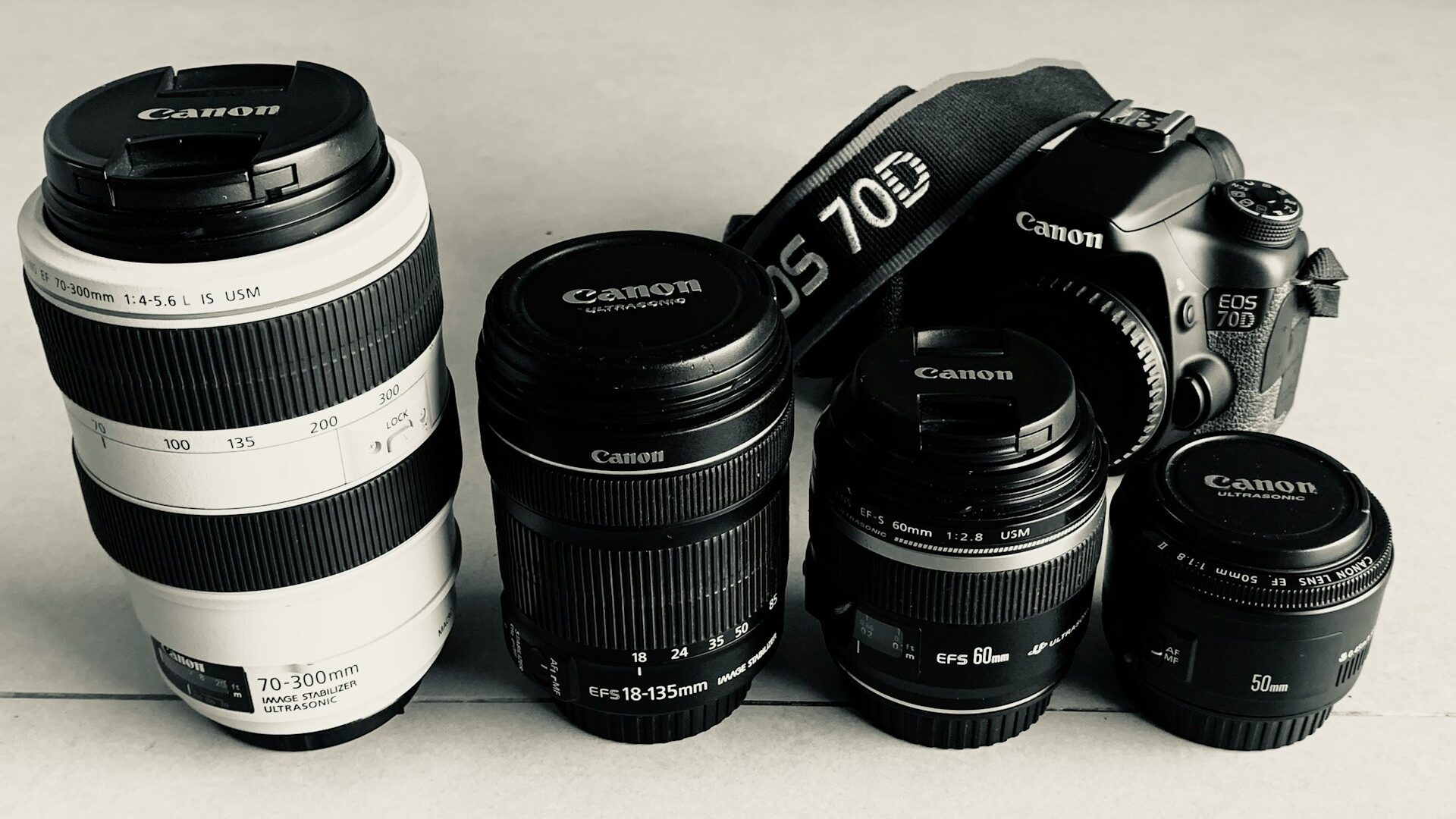
So, you’ve just bought your first digital camera and you’re eager to dive into the exciting world of photography. Congratulations! 🎉 One of the first choices you’ll face is which lens to use. The lens is more than just a piece of glass—it shapes the way your photos look, how much of a scene you capture, and how easy it is to work in different conditions. For beginners, picking the right lens can feel overwhelming with so many types and technical terms floating around. But the good news is that each lens type has its strengths, and starting with the right one can make your learning curve much smoother and more enjoyable.
In this guide, we’ll walk through the most common lens types for beginners—explaining what they do, why they matter, and how they fit into your photography journey.
1. Prime Lens – The Classic Starter
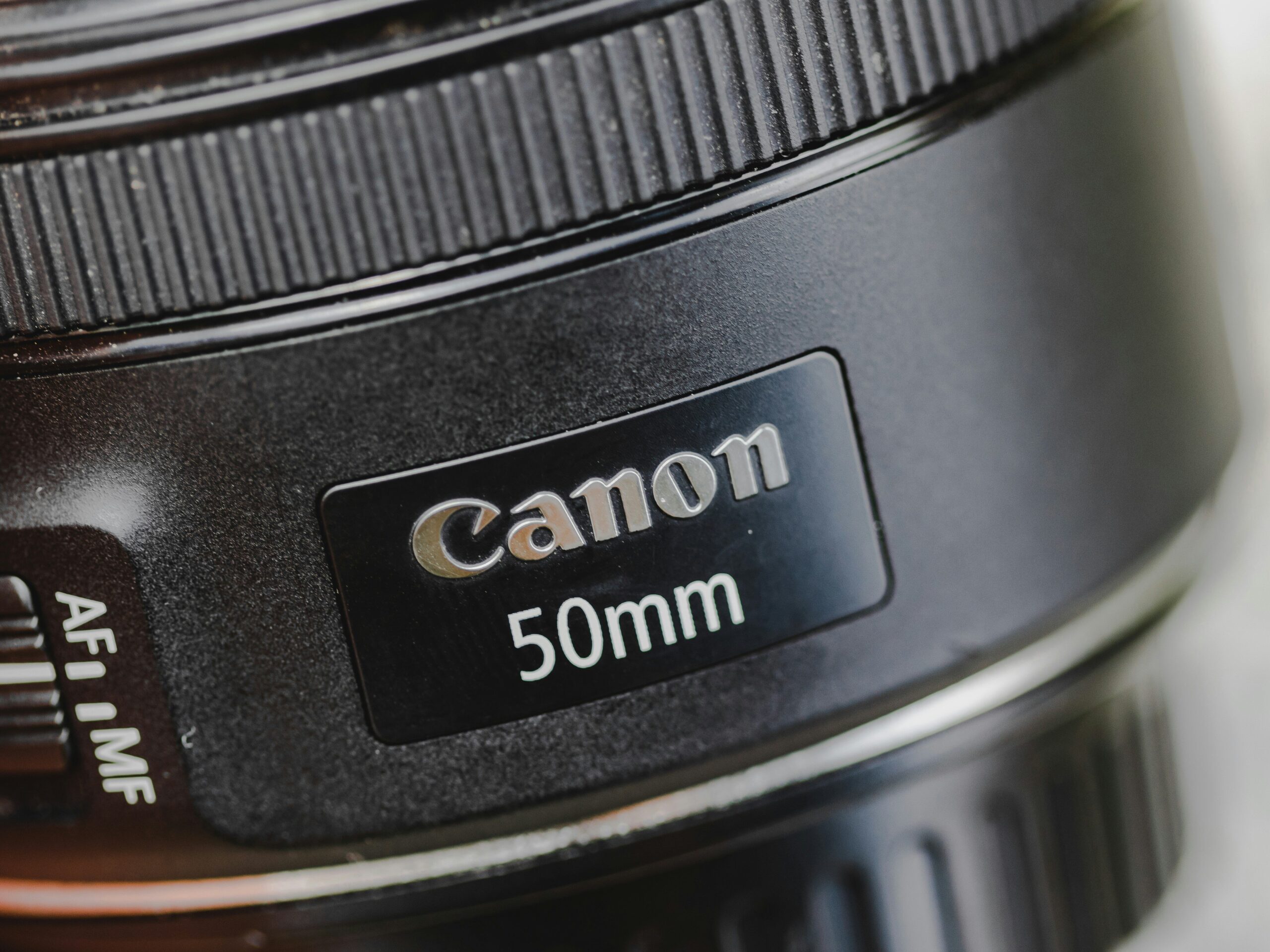
A prime lens is often considered the best teacher for new photographers because it has a fixed focal length—meaning no zoom. This may sound restrictive, but it’s actually what makes it so powerful for learning. Without the option to zoom, you’re encouraged to physically move closer or farther from your subject, which helps you truly understand framing, perspective, and composition. You’ll start noticing how changing your position affects your photos, and this awareness builds strong habits that carry over into every other type of lens you’ll ever use.
Why it’s great for beginners:
- Typically lighter and smaller than zooms, making it easy to carry everywhere
- Wide apertures (like f/1.8 or f/1.4) for sharp low-light shots and dreamy background blur
- Often sharper than zoom lenses at the same price point
Example: The famous 50mm f/1.8 “nifty fifty” is affordable, portable, and produces professional-looking images. On full-frame cameras, it gives a natural field of view close to human vision. On crop-sensor cameras, it behaves more like a short telephoto, excellent for portraits.
👉 Tip: Try using a prime lens exclusively for a week. You’ll be surprised how much your eye for composition sharpens.
2. Kit Lens – The Versatile All-Rounder

When you buy a camera body, it often comes bundled with a kit lens, such as an 18–55mm or 18–135mm. These lenses are usually zooms with moderate ranges, designed to give beginners a safe starting point. While they don’t offer the sharpest glass or widest apertures, they provide a little bit of everything: wide shots for landscapes, medium lengths for portraits, and a bit of zoom for bringing subjects closer. Think of it as your photographic playground.
Why it’s useful for learning:
- Covers a range of focal lengths in one lens
- Lets you experiment to discover what kinds of photography you enjoy
- Compact and convenient for everyday shooting
Example: An 18–55mm kit lens can handle street photography, travel, casual portraits, and even some landscape work. It may not have the artistic flair of a prime, but it’s an excellent tool for figuring out your personal style.
👉 Tip: Don’t underestimate your kit lens—mastering it first helps you understand where to invest later.
3. Zoom Lens – Flexibility Without Moving
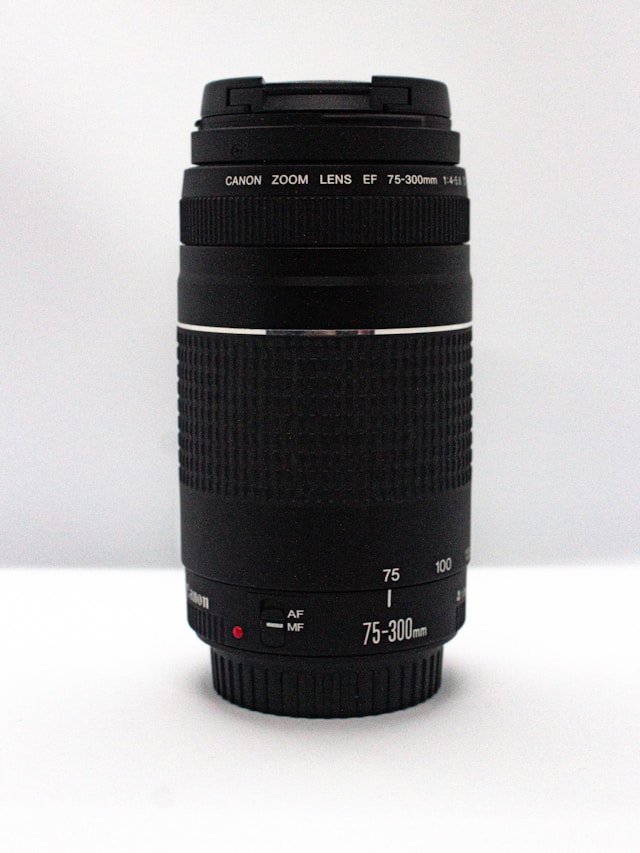
A zoom lens allows you to change focal lengths without swapping lenses, making it incredibly practical when you can’t physically move closer or farther from your subject. This is especially useful in wildlife, sports, and travel photography where the action happens at a distance. For beginners, a general-purpose zoom lens can act as an all-in-one solution, giving you the freedom to experiment with wide landscapes, tight portraits, and everything in between.
Why beginners love zooms:
- One lens can cover a wide range of shooting situations
- Saves you from carrying multiple lenses on the go
- Excellent for exploring different genres without extra purchases
Example: An 18–200mm zoom offers huge flexibility—wide enough for landscapes but powerful enough to zoom into wildlife. A 24–105mm is another common choice that balances portability and image quality.
👉 Tip: Look for zooms with image stabilization—it helps reduce blur when shooting handheld at longer focal lengths.
4. Macro Lens – Discover the Hidden World
A macro lens opens the door to an entirely different way of seeing the world. Designed for extreme close-ups, macro lenses let you capture fine details invisible to the naked eye—tiny insects, flower petals, or textures like fabric and wood grain. For beginners, this type of lens is both rewarding and educational. It teaches patience, attention to detail, and the importance of precise focusing.
Why it’s exciting:
- True 1:1 magnification for capturing intricate details
- Turns ordinary objects into fascinating photographic subjects
- A unique genre that sparks creativity and experimentation
Example: Budget-friendly options like a 50mm or 60mm macro lens let beginners experiment without a big investment. For crop-sensor users, these lenses provide a comfortable working distance while still being versatile for everyday use.
👉 Tip: Pair a macro lens with a tripod to avoid tiny camera shakes that can ruin close-up shots.
5. Wide-Angle Lens – Expansive Views
A wide-angle lens has a short focal length that lets you capture much more of a scene in a single frame. This makes it the go-to choice for landscapes, architecture, and group photography. Wide lenses don’t just fit more in—they also exaggerate perspective, adding depth and drama to your compositions. For beginners, using a wide lens teaches you to think about the relationship between foreground and background elements in a photo.
Why it’s valuable for beginners:
- Perfect for sweeping landscapes or interiors where space is tight
- Adds a creative sense of scale and depth
- Encourages experimentation with leading lines and foreground interest
Example: A 24mm wide-angle lens is a great starting point—wide enough for dramatic shots but without the heavy distortion of ultra-wide lenses. A 35mm lens is another excellent choice for both environmental portraits and street photography.
👉 Tip: Keep subjects away from the very edges of the frame—wide lenses can distort faces and objects if they’re too close to the corners.
Quick Comparison Table
| Lens Type | Best For | Beginner-Friendly Strength | Watch Out For |
|---|---|---|---|
| Prime (50mm) | Portraits, street, everyday | Sharp, great in low light | Fixed focal length |
| Kit Lens (18–55mm) | General learning, travel | Versatile, good starter | Smaller aperture, less sharp |
| Zoom Lens (24–105mm, 18–200mm) | Wildlife, sports, travel | Flexible, fewer lens swaps | Can be heavier, less bright |
| Macro Lens (50–60mm) | Close-up details, flowers, insects | Reveals hidden worlds | Niche use, very still shooting needed |
| Wide-Angle (24–35mm) | Landscapes, architecture, groups | Expansive views, creative depth | Distortion at edges |
Conclusion – Start With What Inspires You
Choosing your first lens is less about finding the “perfect” one and more about matching your gear to your curiosity.
- Love portraits and learning the art of blur? → Prime (50mm)
- Want one flexible tool to try everything? → Kit lens
- Traveling or shooting at different distances? → Zoom lens
- Fascinated by tiny details? → Macro lens
- Drawn to sweeping landscapes or architecture? → Wide-angle lens
👉 Final Tip: The best beginner lens is the one that keeps you shooting often. Don’t stress over having the “right” gear—focus on practice, exploration, and enjoying the process.