
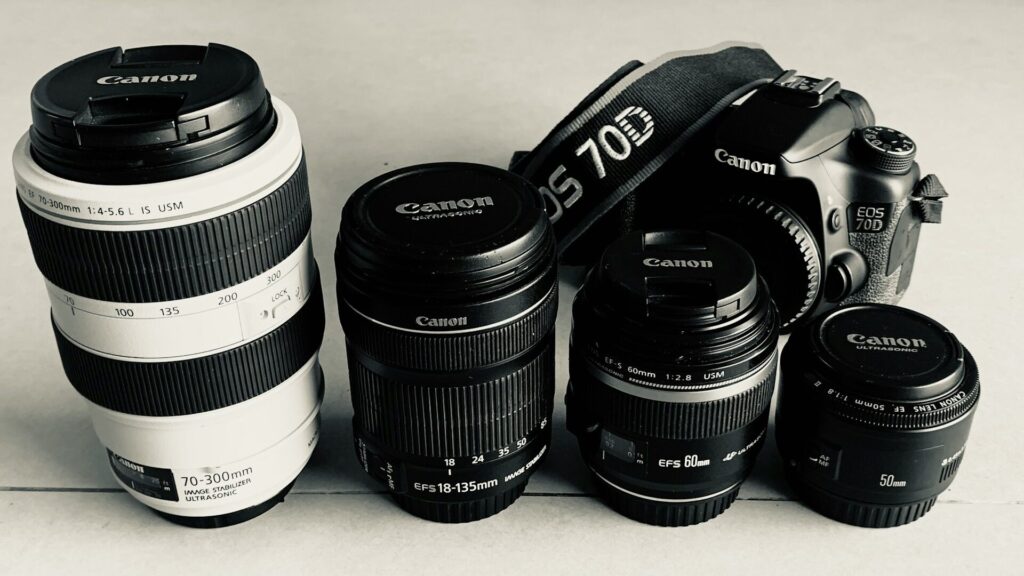
So, you’ve just bought your first DSLR camera and are excited to start exploring photography. Congratulations! Choosing the right lens is one of the most important steps in your photographic journey. The lens you select determines how your images look, what types of photography you can explore, and how easy it is to learn new techniques. In this guide, we’ll walk you through the main lens types for beginners, provide recommended models, and help you understand which lens fits your style and budget.
Note on Compatibility and Budget
All lenses recommended in this guide are selected for their beginner-friendly performance, affordability, and versatility. Keep in mind that camera systems differ: Canon EF-S lenses are designed for APS-C Canon DSLRs, Nikon DX lenses fit DX-format Nikon cameras, and some lenses may not work on full-frame bodies without cropping or adapters. Prices and availability may vary, so check current listings before purchasing. This ensures you pick lenses that are both compatible with your camera and suitable for learning without a large upfront investment.
1. Prime Lens
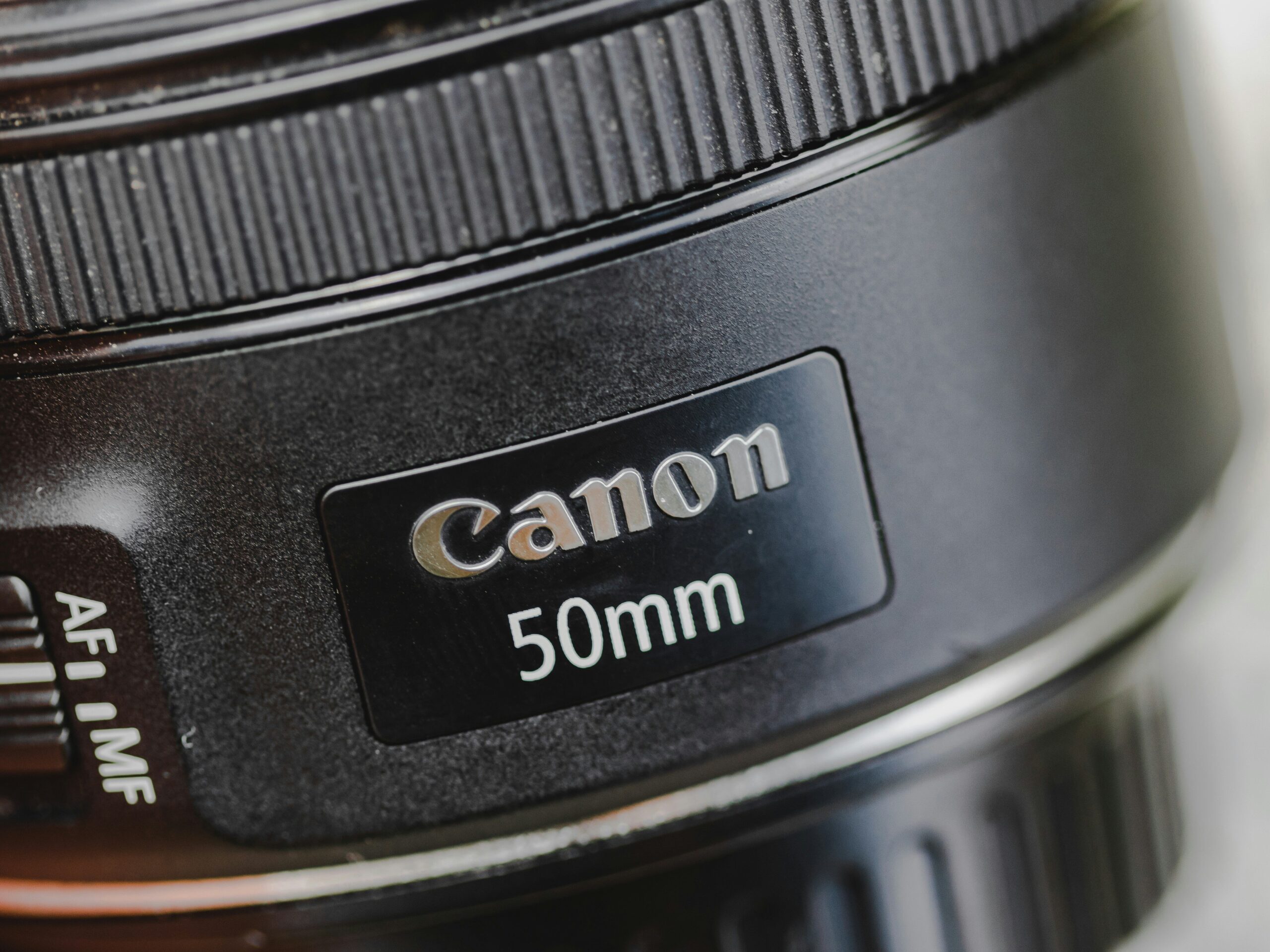
Prime lenses have a fixed focal length, meaning they cannot zoom in or out. At first, this may seem restrictive, but it offers many benefits for beginners. Prime lenses are usually lightweight and compact, making them easier to carry, and they often feature wider maximum apertures, which allow for better low-light performance and a shallow depth of field. This shallow depth of field can create beautiful background blur, known as bokeh, which is especially desirable in portrait photography.
Using a prime lens encourages beginners to move around, think about composition, and experiment with angles, which builds foundational photography skills.
Recommended Models:
| Lens Type | Model | Focal Length | Aperture | Best For |
|---|---|---|---|---|
| Prime | Canon EF 50mm f/1.8 STM | 50mm | f/1.8 | Portraits, Street photography |
| Prime | Nikon AF-S DX NIKKOR 35mm f/1.8G | 35mm | f/1.8 | Everyday, Travel |
2. Kit Lens
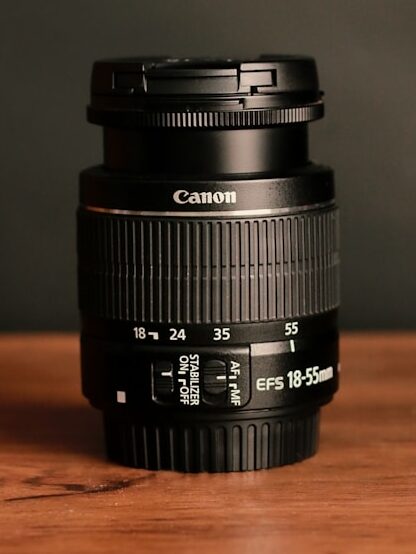
Kit lenses typically come bundled with DSLR cameras, such as 18–55mm or 18–135mm zoom lenses. These lenses are versatile and allow beginners to explore different focal lengths and shooting styles without needing to buy additional gear. While they may not offer the same image quality or low-light performance as prime lenses, they are perfect for practicing composition, learning the basics, and experimenting with zoom ranges.
Kit lenses are especially convenient for travel or casual photography, covering wide-angle shots and moderate telephoto in one lens.
Recommended Models:
| Lens Type | Model | Focal Length | Aperture | Best For |
|---|---|---|---|---|
| Zoom | Tamron 18–200mm f/3.5-6.3 Di II VC | 18–200mm | f/3.5–6.3 | Travel, Mixed photography |
| Zoom | Canon EF-S 18–135mm f/3.5-5.6 IS STM | 18–135mm | f/3.5-5.6 | Travel, Street, Casual portraits |
3. Zoom Lens
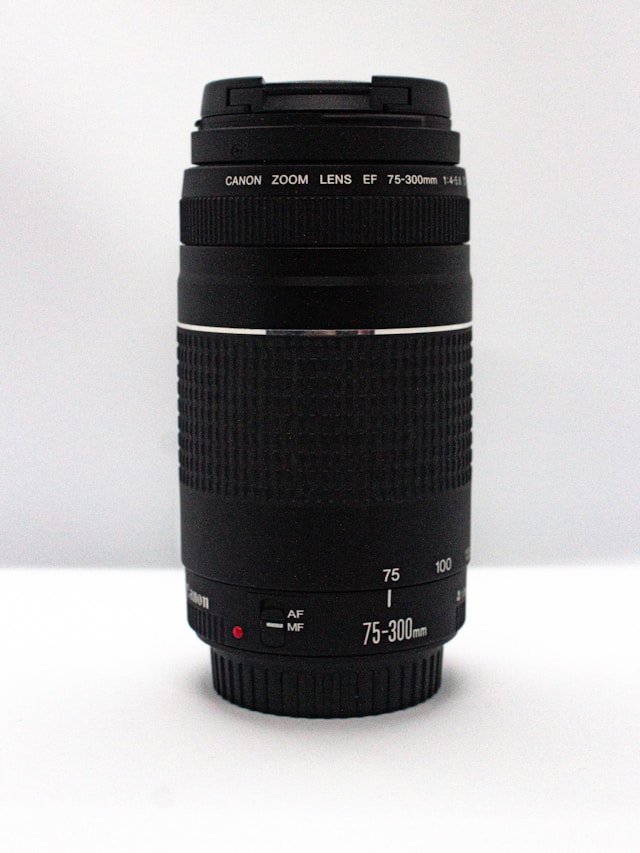
Zoom lenses offer a variable focal length, allowing you to get closer to or further from your subject without changing your position. They are ideal for wildlife, sports, or event photography, where you often cannot physically approach the subject.
For beginners, versatile zoom lenses like 18–200mm or 24–105mm are excellent for exploring multiple photography genres without constantly switching lenses. While they may not have as wide an aperture as prime lenses, modern zooms still produce sharp, high-quality images suitable for learning and creative experimentation.
Recommended Model:
| Lens Type | Model | Focal Length | Aperture | Best For |
|---|---|---|---|---|
| Zoom | Tamron 18–200mm f/3.5-6.3 Di II VC | 18–200mm | f/3.5–6.3 | Travel, Mixed photography |
| Zoom | Canon EF-S 18–135mm f/3.5-5.6 IS STM | 18–135mm | f/3.5–5.6 | Travel, Street, Casual portraits |
| Zoom | Canon EF 24–105mm f/4L IS II USM | 24–105mm | f/4 | General photography, Events, Travel |
4. Macro Lens
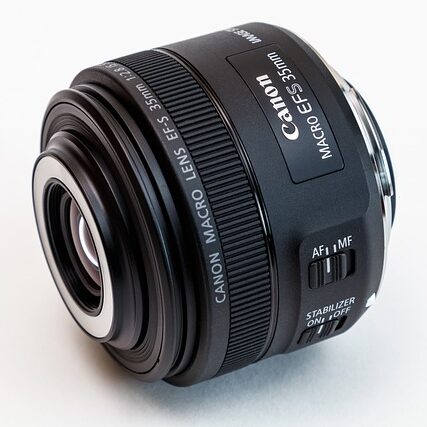
Macro lenses are designed for close-up photography, enabling you to capture fine details invisible to the naked eye. From flower petals to insects, macro lenses open up a whole new world of photographic opportunities. They are technically a type of prime lens because they have a fixed focal length, but they are specialized for high magnification and sharpness at very close distances.
For beginners, 50mm–60mm macro lenses are the most practical option. These lenses are affordable, lightweight, and easy to handle, making them a great choice for learning macro photography without a large investment. They work well for a variety of subjects, including flowers, small objects, and everyday items.
It’s worth noting that macro lenses come in a wider range of focal lengths — roughly 35mm to 200mm. Shorter focal lengths (35–40mm) allow extreme close-up shots but require you to get very near your subject, which can be tricky for insects or delicate objects. Longer focal lengths (100–200mm) provide more working distance, allowing you to photograph small or skittish subjects from farther away, but these lenses tend to be heavier and more expensive, so they are less common for beginners.
Recommended Model:
| Lens Type | Model | Focal Length | Aperture | Best For |
|---|---|---|---|---|
| Macro | Canon EF-S 60mm f/2.8 Macro USM | 60mm | f/2.8 | Close-up/macro photography |
5. Wide-Angle Lens
Wide-angle lenses have short focal lengths, allowing you to capture a broader field of view than standard lenses. They are ideal for landscapes, architecture, interiors, and group shots, where you want to include more of the scene in a single frame. Wide-angle lenses can also create a strong sense of depth and perspective, which adds a creative dimension to your compositions.
Wide-angle lenses can be either prime or zoom lenses:
- Prime wide-angle lenses have a fixed focal length (e.g., 24mm or 28mm). They are often sharper, lighter, and faster (wider aperture), making them great for low-light photography and maintaining consistent framing.
- Zoom wide-angle lenses cover a variable focal length (e.g., 10–20mm, 16–35mm, or 18–55mm). They provide flexibility, allowing you to adjust your composition without moving, which is especially useful for travel or interiors.
Typical Wide-Angle Focal Ranges:
- APS-C cameras: ~10–35mm
- Full-frame cameras: ~14–35mm
- Anything longer than ~35mm usually moves into the standard lens range.
Recommended Model:
| Lens Type | Model | Focal Length | Aperture | Best For |
|---|---|---|---|---|
| Wide-Angle | Sigma 10–20mm f/3.5 EX DC HSM | 10–20mm | f/3.5 | Landscapes, Interiors |
Conclusion
Choosing the right lens as a beginner can seem overwhelming, but focusing on your interests, camera compatibility, and budget will guide your decision. Whether you start with a prime, kit, zoom, macro, or wide-angle lens, remember that practice and experimentation are key.
Move around, test different angles, explore subjects, and step outside your comfort zone. With the right lens and a curious mindset, your photography skills will improve quickly, and you’ll be ready to explore even more advanced gear in the future.