
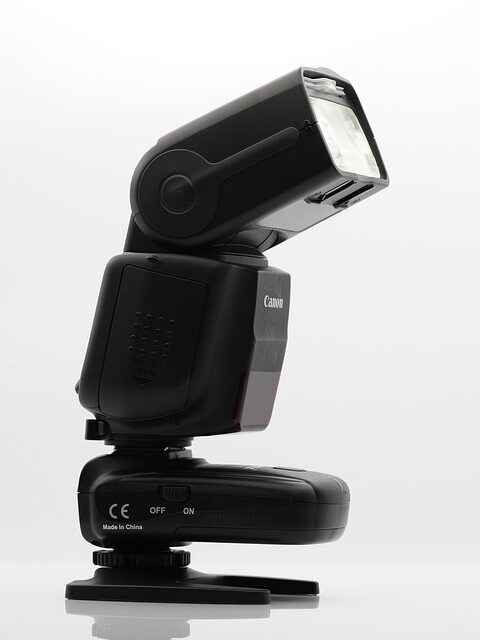
Lighting can make or break a photograph. It’s the silent hero that shapes mood, adds depth, and reveals details that would otherwise stay hidden. Many iconic images simply wouldn’t exist without the strategic use of flash. Mastering photography starts with understanding how to work with light—both natural and artificial.
Natural light is undeniably beautiful, but it’s also unpredictable. That’s where flash steps in, giving you control, consistency, and creative flexibility. Used properly, flash doesn’t just brighten a dark scene—it softens harsh shadows, enhances textures, and helps you capture professional-looking photos, even with entry-level gear.
Flash Photography Basics Every Beginner Should Know
Before buying your first flash unit, it helps to understand a few key terms:
| Term | What It Means | Why It Matters |
|---|---|---|
| Flash Power | The brightness output of the flash. | Determines how well it can light a subject, especially in larger spaces. |
| Guide Number (GN) | A measurement of flash range and strength. | Helps you gauge how far the flash can reach effectively. |
| TTL (Through-the-Lens) | Automatic adjustment of flash output by your camera. | Ideal for beginners who want balanced lighting without manual tweaks. |
| Recycle Time | How quickly the flash is ready to fire again. | Critical for events or action shots where timing matters. |
💡 Tip: If you’re brand new to flash photography, starting with TTL is easier. As you grow, experiment with manual mode for full creative control.
What to Consider Before Buying a Flash Unit
With so many options on the market, it’s easy to feel overwhelmed. Narrow your choices by focusing on these factors:
- Camera Compatibility – Ensure the flash supports your camera’s brand and model. Mismatched systems can limit features like TTL.
- Ease of Use – A beginner-friendly flash should have intuitive controls and a simple menu. You want to focus on shooting, not deciphering buttons.
- Portability & Battery Life – Lightweight designs and reliable power make it easier to shoot events or travel without interruptions.
- Budget – Don’t overspend early on. Affordable models often offer everything you need to learn. You can always upgrade later.
Top Starter Flash Units for Beginners
Let’s break down four excellent options for entry-level photographers:
1. Godox TT600
- Why it’s great: Reliable, affordable, and versatile. The TT600 is fully manual, which means it’s perfect for beginners who want to learn how flash power works without relying on automation. It also has wireless compatibility with Godox’s X system, allowing you to expand into more creative lighting setups later.
- Best for: Budget-conscious learners who want a durable flash they can grow with.
- Drawback: No TTL, so you’ll need to adjust settings manually.
2. Canon Speedlite 270EX II
- Why it’s great: Compact and lightweight, this Canon flash integrates seamlessly with Canon cameras. It offers both manual and TTL modes, giving you flexibility whether you want automatic balance or hands-on control. It’s an excellent first step before moving into Canon’s higher-end Speedlites.
- Best for: Canon users who want simple operation and native compatibility.
- Drawback: Limited power compared to larger Speedlites, so not ideal for big venues.
3. Nikon SB-300
- Why it’s great: A user-friendly option for Nikon photographers, the SB-300 is designed with portability in mind. Its bounce capability helps soften light, and it uses TTL for automatic exposure, which is great for beginners learning lighting basics without guesswork.
- Best for: Nikon beginners looking for a lightweight, travel-friendly option.
- Drawback: Less powerful than Nikon’s higher-tier flashes, so not suited for professional events.
4. Neewer TT560
- Why it’s great: This is one of the most affordable flashes on the market. Despite its low price, it provides manual control, adjustable power settings, and a simple interface. It’s also compatible with a wide range of camera brands, making it a safe first purchase.
- Best for: Beginners on a very tight budget who still want to experiment with off-camera lighting.
- Drawback: No TTL, slower recycle time compared to pricier models.
🔍 Quick Comparison: Starter Flash Units
| Flash Model | Price Range | Key Features | Pros | Cons |
|---|---|---|---|---|
| Godox TT600 | $60–$80 | Manual, wireless X system | Affordable, durable, scalable with Godox ecosystem | No TTL |
| Canon Speedlite 270EX II | $120–$160 | Manual + TTL, compact | Seamless Canon integration, lightweight | Limited power |
| Nikon SB-300 | $120–$150 | TTL, bounce head | Easy to use, portable | Lower output, not for large venues |
| Neewer TT560 | $30–$40 | Manual, simple controls | Very budget-friendly, universal fit | No TTL, slower recycle |
💡 Tip: If you’re unsure which to pick, start with the flash made for your camera brand (Canon or Nikon) for maximum compatibility, or grab a Godox/Neewer if budget is your top concern.
Features That Make a Difference
When comparing flash units, keep an eye on these features:
- Manual & TTL Modes – Flexibility to choose between auto convenience and hands-on control.
- Bounce & Swivel Head – Lets you angle the light off walls or ceilings for softer, more flattering results.
- Quick Recycling Time – Reduces downtime between shots—crucial for event and action photography.
- Wireless Functionality – Enables off-camera setups that create more dynamic and creative lighting effects.
📸 Pro Tip: Even with a starter flash, learning to bounce light instead of firing directly at your subject can instantly elevate your images.
Getting the Most Out of Your Starter Flash
Once you’ve picked your flash, the real fun begins. Here’s how to maximize its potential:
- Experiment with Off-Camera Flash – Moving the flash away from the camera opens endless creative possibilities.
- Use Bounce Techniques – Direct flash often looks harsh. Bounce it off ceilings or walls for a softer, more natural look.
- DIY Light Modifiers – Household items like white cardboard or translucent plastic can act as quick diffusers or reflectors.
- Avoid Common Mistakes – Don’t rely on flash in every situation. Blend it with ambient light for more balanced, realistic images.
- Maintain Your Gear – Clean contacts regularly, use fresh batteries, and store properly to extend the life of your flash.
Final Thoughts
A flash isn’t just a tool for dark settings—it’s a creative instrument that can transform your photography. With the right starter unit and some practice, you’ll gain confidence in controlling light and shaping the mood of your images.
As you progress, you’ll discover that even budget-friendly flashes can unlock professional results. The key is to experiment, practice, and learn how light interacts with your subject. Master that, and your photos will immediately stand out.
Ready to put your new flash to work? Check out our in-depth Beginner’s Guide to Flash Photography
Pingback: Beginner’s Guide to Flash Photography – startdp.com