
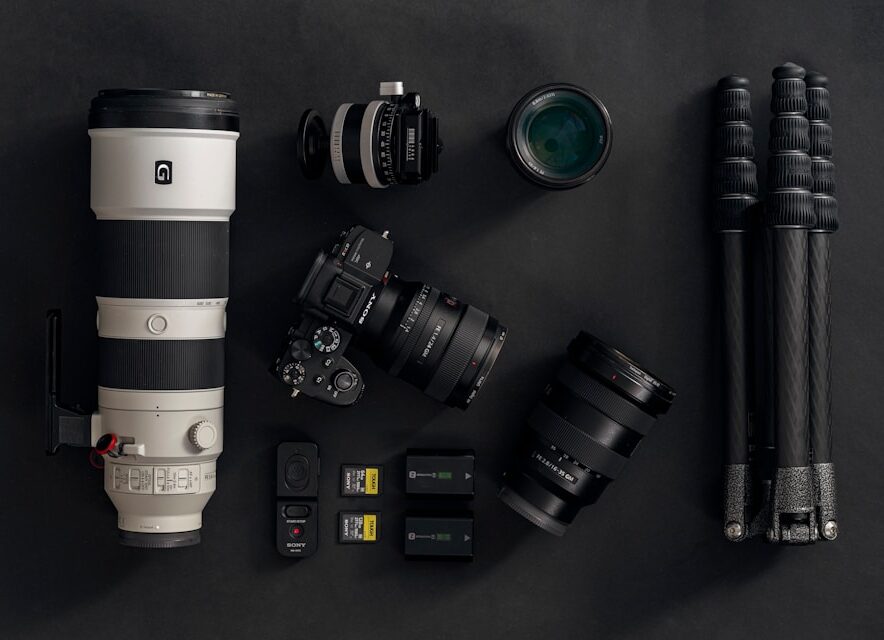
Getting started with digital photography can be exciting, but also a little overwhelming when you see how much gear is out there. The truth is, beginners only need a few essentials to start capturing clear, creative, and professional-looking shots.
In this guide, we’ll walk through the essential photography equipment for beginners — from camera bodies and lenses to tripods, memory cards, and bags. By the end, you’ll know which gear will make the biggest difference in your photos and why it’s worth having in your kit.
📷 Camera Bodies for Beginners
The camera body is the heart of your photography setup. When choosing a camera body, consider factors like image quality, sensor size, and ease of use. Entry-level DSLR or mirrorless cameras are great options for beginners. They offer a good balance between affordability and functionality.
So what do we mean when we say DSLR or mirrorless? A DSLR (Digital Single-Lens Reflex) camera uses a mirror system to reflect light into an optical viewfinder. DSLRs are known for their reliability, excellent image quality, and a wide selection of lenses. They are often preferred by photographers who want a more traditional feel and longer battery life, making them ideal for extended shooting sessions.
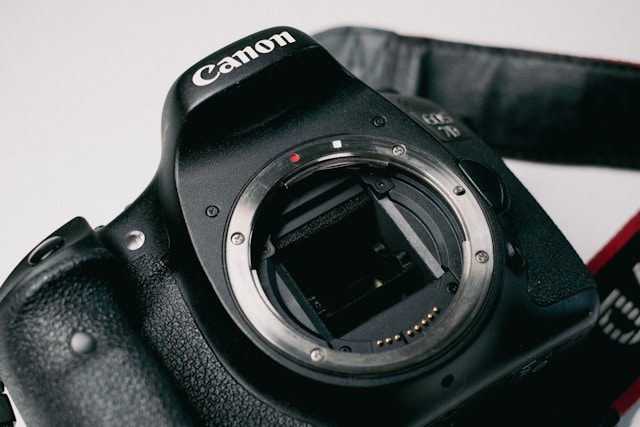
Mirrorless cameras, on the other hand, don’t have a mirror system, which makes them smaller, lighter, and often packed with advanced features like silent shooting and in-body stabilization. Their compact size and portability make them a great choice for travel, street photography, or anyone who wants a lighter kit without sacrificing performance.
Entry-level DSLR or mirrorless cameras are great starting points. They offer a good balance between affordability and functionality, allowing you to learn manual settings and grow your skills without being overwhelmed by advanced features.
| Type | Strengths | Considerations |
|---|---|---|
| DSLR | Versatility, long-standing reliability, great image quality | Larger, heavier |
| Mirrorless | Compact, lightweight, advanced features like silent shooting and stabilization | Battery life and lens selection can be limiting |
💡 Quick Tip: Choose the camera type that fits your lifestyle and photography goals. If you plan to carry your camera long distances, a mirrorless option might be better. If you want longer battery life and a traditional feel, a DSLR could be ideal.
Both types have their pros and cons, so it’s important to consider your needs and preferences before making a choice.
Somethings to Consider
- Image quality and autofocus performance
- Ease of use and menu navigation
- Lens availability in your chosen system
💡 Quick Tip: Landscape lovers should consider a wide-angle lens, while sports or wildlife photographers will benefit more from a telephoto lens.
Beginner-Friendly Models:
- DSLR: Canon EOS Rebel T7i, Nikon D3500 — reliable, versatile, and great for portraits, landscapes, and general photography.
- Mirrorless: Sony Alpha a6000, Fujifilm X-T30 — compact, lightweight, and perfect for travel, street, and everyday photography.
In conclusion, choosing the right camera body is an essential step for beginners in digital photography. Whether you opt for a DSLR or a mirrorless camera, it’s important to consider factors such as image quality, autofocus performance, and ease of use. Additionally, researching the availability and variety of lenses for your chosen camera system is crucial. By taking the time to make an informed decision, you’ll be well on your way to capturing stunning images and enjoying the world of digital photography.
🔍 Beginner Lenses Explained
The lens you use has more impact on your photos than the camera body itself. From sharp portraits to wide landscapes, the right lens unlocks creative possibilities and helps you capture the images you actually want. Different lenses serve different purposes, so it’s essential to choose the right one for your photography style.
There are two main types of lenses: prime lenses and zoom lenses. A prime lens has a fixed focal length, which means it doesn’t zoom in or out. Prime lenses are often sharper and allow more light in, making them great for low-light shooting and creating a blurry background effect (shallow depth of field). A zoom lens, on the other hand, has a variable focal length, letting you adjust how much of the scene you capture without changing your position. A versatile zoom lens, such as an 18-55mm or 24-70mm, is a great starting point. It allows you to cover a wide range of subjects, from landscapes to portraits, making it ideal for beginners who want flexibility while learning.
Prime vs. Zoom
| Lens Type | Advantages | Disadvantages |
|---|---|---|
| Prime | Superior sharpness, wider apertures, smaller and lighter | No zoom; requires moving physically |
| Zoom | Versatility, easy to change perspectives quickly | Generally narrower apertures, heavier |
Key Lens Factors
- Focal length:
- 24mm = wide angle for big scenes
- 200mm = zoom for distant subjects
- Maximum aperture:
- f/1.8 lets in more light, great for portraits and low light
- Narrower apertures are cheaper but less flKey Lens Factors
- When choosing a lens, there are a few key aspects to understand:
- Type of lens:
- Prime lenses have a fixed focal length. They don’t zoom, but they often produce sharper images, allow more light in, and are excellent for portraits or low-light situations.
- Zoom lenses have a variable focal length, letting you adjust your framing without moving. They are versatile and perfect for beginners who want to capture a range of subjects, from landscapes to close-up portraits.
- Focal length:
- Short focal lengths (e.g., 24mm) = wide-angle, great for landscapes and large scenes.
- Long focal lengths (e.g., 200mm) = narrow view, ideal for distant subjects like wildlife or sports.
- Maximum aperture:
- Wider apertures (e.g., f/1.8) let in more light, useful for low-light conditions and creating blurred backgrounds.
- Narrower apertures are less expensive but offer less flexibility in lighting and depth of field.
- By understanding these factors, beginners can select a lens that fits their photography style and gives them creative freedom while learning. A good starting choice is often a versatile zoom lens, like an 18-55mm or 24-70mm, because it covers multiple shooting scenarios without needing to switch lenses constantly.
In conclusion, understanding the basics of lenses and selecting the right lens for your needs is essential for beginners in digital photography. Whether you choose a prime lens for its superior image quality or a zoom lens for its versatility, considering factors such as focal length and maximum aperture will help you make an informed decision.
🎯 Why Beginners Need a Tripod
A tripod may not seem exciting at first, but it’s one of the most useful tools for getting sharper images and trying creative techniques. Even beginners quickly notice how much steadier and more flexible their photography becomes when using one.
Why Tripods Matter
- Prevent blur from even the smallest hand movements
- Crucial in low-light or slow shutter speed conditions
- Enable creative composition and experimentation
What to Look For
- Weight & size: Compact for travel, heavier for studio use
- Load capacity: Must support your camera and accessories
- Features: Adjustable legs and a ball head for flexible shooting angles
In conclusion, tripods are an essential piece of equipment for beginners in digital photography. They provide stability for your camera, ensuring that your images are sharp and free from blur. Tripods also allow you to experiment with different compositions and angles, opening up a world of creative possibilities.
💾 Choosing the Right Memory Card
Memory cards are small but essential. They determine how many photos you can store, how fast your camera saves them, and even how smoothly you can shoot in certain situations like burst mode.
Key Considerations
- Capacity:
- 16GB–32GB = plenty for casual shooters
- 64GB–128GB = better for RAW files or heavy use
- Speed:
- Class 10 or UHS-I ensures smooth shooting and transfers
Types of Memory Cards
- SD: Standard for most cameras
- microSD: Common in compact or action cameras
- CompactFlash: Often used in professional DSLRs
💡 Quick Tip: Always buy from reliable brands like SanDisk, Lexar, or Kingston to avoid performance issues.
In conclusion, selecting the right memory card is essential for beginners in digital photography. Consider the capacity and speed of the card to ensure you have enough storage space and can capture and transfer photos quickly.
🎒Camera Bags for Beginners
A good camera bag is more than just storage — it protects your gear, keeps everything organized, and makes it easier to carry your equipment wherever your photography takes you.
Common Styles
- Backpack: Comfortable for long trips, evenly distributes weight
- Shoulder bag: Quick access to gear, less ideal for heavy loads
- Sling bag: Compact, cross-body style, fast access
Features to Look For
- Customizable compartments for lenses and accessories
- Weatherproofing (rain covers, durable materials)
- Tripod straps and strong zippers
Your camera bag is not just a place to store your gear – it’s an essential tool for any photographer. It protects your equipment, keeps you organized, and allows you to focus on capturing the perfect shot.
✅ Conclusion
In conclusion, essential beginners’ equipment for digital photography includes:
- A digital camera with manual settings
- A versatile lens
- A tripod for stability
- Memory cards for storage
- Extra batteries for extended shooting
- A camera bag for protection and portability
These items provide a solid foundation for beginners to explore and develop their skills in digital photography.